Wandering in Fletcher Moss – a peaceful place in Manchester.
Our last couple of trips out and that I have blogged about, were at Daisy Nook in the heart of the Medlock Valley. This time and for our most recent trip we headed to Fletcher Moss in Didsbury (South Manchester).
It’s been a while since we were last there, but it really is a place that’s worth a wander. You can check out a post from a previous visit at this link..
Plenty to look out for
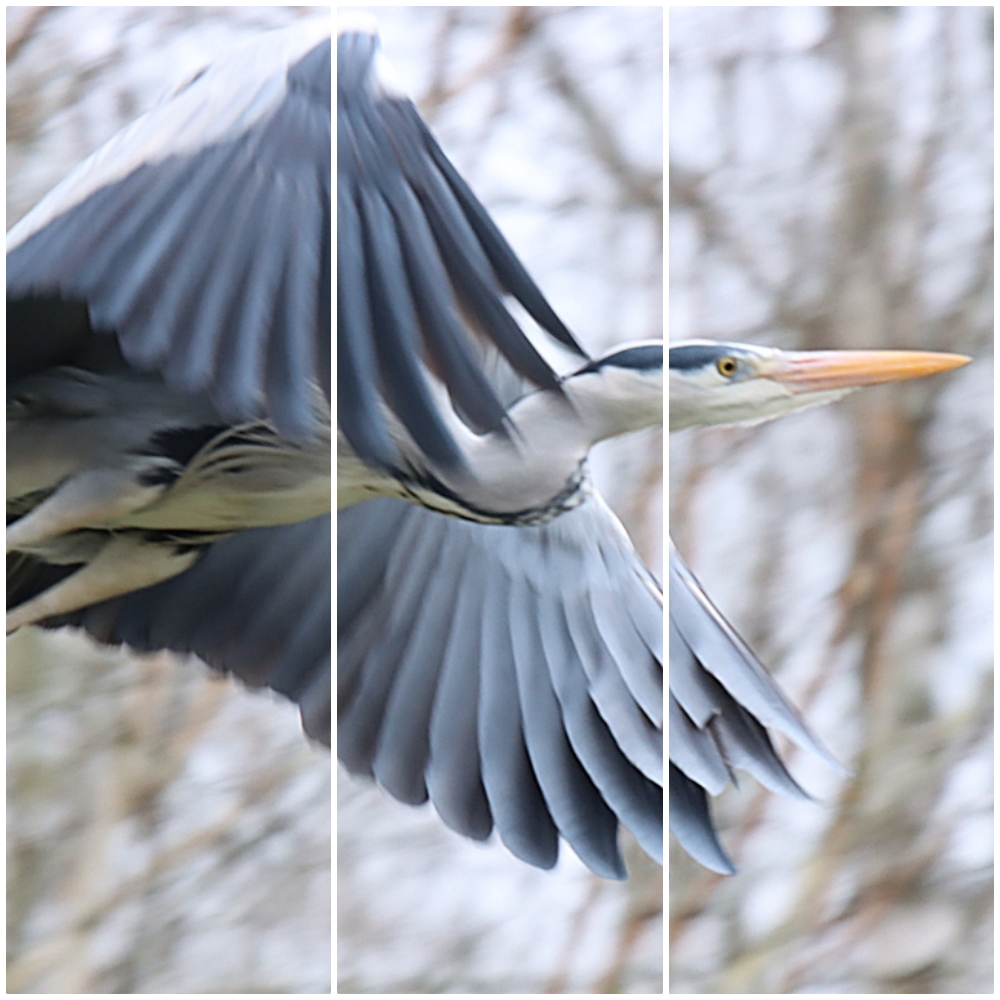
Fletcher Moss is home to quite an impressive amount of birdlife.
Known visitors include: Chiffchaff, Swifts, Swallows, Nuthatch, Tree Creepers, Goldcrest, Heron and many more – although of course that’s not to say you’ll see any or all of them if you visit.
Some are seasonal visitors, some are easier to hear than see (the Greater Spotted Woodpecker being one of them) and some of them are just plain hard to spot (the Treecreeper for example).
Did you see …
 Well we didn’t see most of the birds I mentioned above – some of that is down to it being the time of year, but we did see plenty of Parakeets, Robins, Moorhens a couple of Wrens and a Thrush and we were teased by the knocking of a woodpecker …. who managed to stay out of sight during our visit.
You can read more about the birds that live at/or visit Fletcher Moss at this link.
At times it almost seems like Parakeet World – there really are significant amounts of them there. You can see some more pictures of parakeets in an earlier post from around the turn of the year – at this link.
A little about Fletcher Moss
The following short and abridged history of Fletcher Moss is taken from Manchester City Council’s web site
Alderman Fletcher Moss bought the gardens and house (The Croft) in 1912. He gave Fletcher Moss Gardens to the people of Manchester in 1919. The Botanical Gardens still have many original features. Such as the rock gardens and heather gardens.
The Croft was the birthplace of the Royal Society for the Protection of Birds (RSPB). Previous occupant of The Croft, Emily Williamson, held the society’s first meeting there.
In 1889, Emily formed the Society for the Protection of Birds. Her primary motive was to stop the use of feathers in fashion. Demand for feathers and exotic plumes was driving some bird species towards extinction. Find out more about Emily Williamson on the RSPB website.
Picture gallery
Click any image to open picture gallery that can be clicked or scrolled through.


